What the honk sounds like
Owners describe it the same way again and again: a dry, harsh, loud cough that sounds like a goose or a seal, often in a run of several honks. It is not wet, the dog usually does not bring anything up, and it can stop as suddenly as it started. Many small-dog owners first hear it when the dog pulls toward another dog on a walk, or when the doorbell rings.
The most common reason in a small dog: tracheal collapse
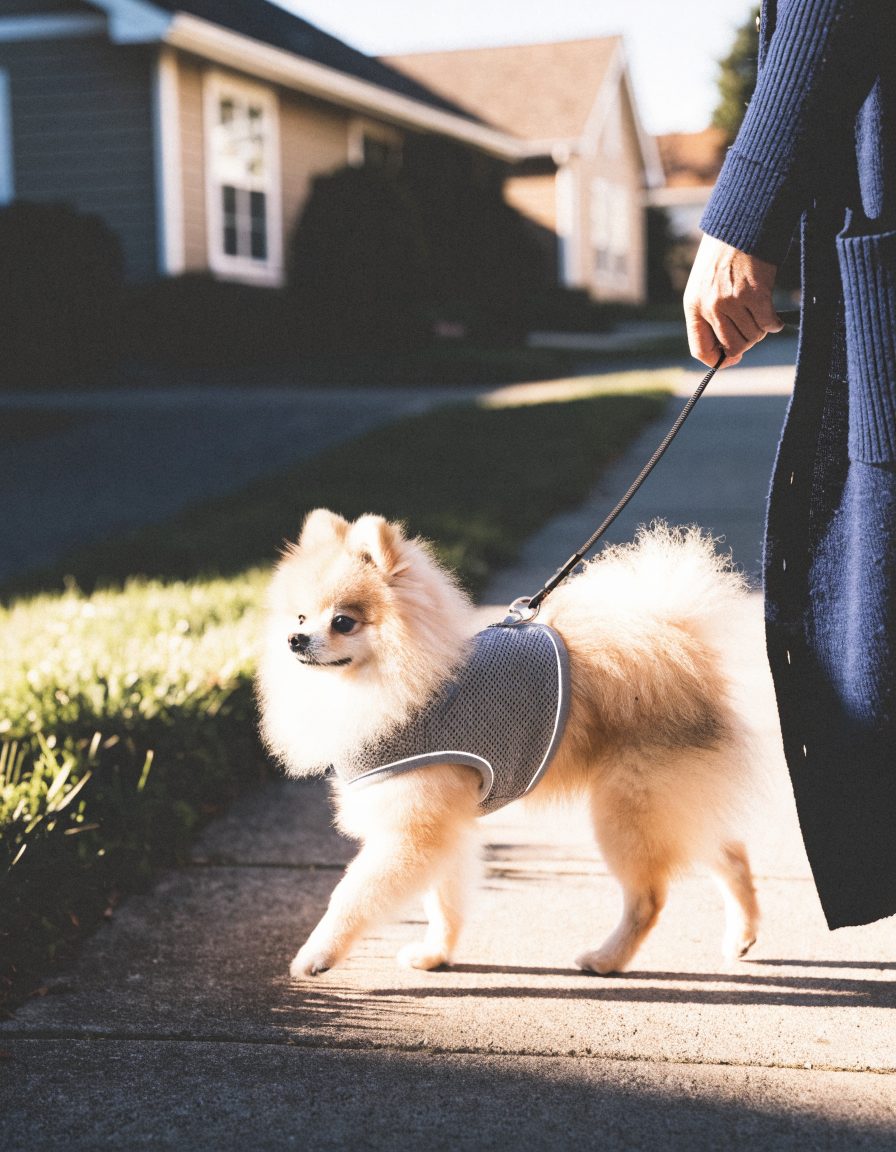
VCA describes the main sign of tracheal collapse as a dry, harsh cough, sometimes called a goose honk. In tracheal collapse, the cartilage rings that hold the windpipe open have weakened, so the airway flattens and the lining is irritated with each breath. It is most common in toy and small breeds: Yorkshire terriers, Pomeranians, Chihuahuas, toy poodles, Shih Tzus and Lhasa Apsos.
The pattern points to it more than the sound alone. A collapse-type honk tends to:
- Come back for weeks or months, not days
- Start with excitement, pulling on a collar, being picked up, eating or drinking
- Get worse in heat and humidity, and at night
- Appear in a dog that is middle-aged or older
Our full guide to tracheal collapse in dogs covers the breeds, the tests and what vets do.
The other honk: kennel cough
The American Kennel Club describes kennel cough as a harsh, persistent cough that can sound like a goose honking. It is a contagious infection, most often involving Bordetella bronchiseptica, and it spreads where dogs gather: boarding, grooming, daycare, dog parks. Signs appear 2 to 14 days after exposure, and most dogs recover within one to three weeks.
Honking cough: how the likely causes compare
| Tracheal collapse | Kennel cough | Reverse sneeze | |
|---|---|---|---|
| Sound | Dry goose honk | Harsh, hacking, can honk | Snorting on the in-breath |
| Started | Gradually, over months | Suddenly, after time near other dogs | In short episodes |
| Typical dog | Toy breed, middle-aged or older | Any dog, any age | Any dog |
| Common triggers | Excitement, collar pressure, heat, eating or drinking | Exposure to infected dogs | Irritants, excitement |
| Contagious | No | Yes | No |
A reverse sneeze is not a cough at all. The dog stands still, stretches the head and neck forward, and pulls air in hard through the nose. Dr. Jerry Klein of the American Kennel Club notes that it sounds different from the loud honk of tracheal collapse. Our side-by-side guide goes through the differences.
What to record before you see the vet
Tracheal collapse can come and go, and a dog rarely coughs on cue in an exam room. These notes save a lot of guessing:
- A video on your phone of a full coughing fit, with sound.
- When it happens: on walks, at night, after water, when visitors arrive.
- What the dog was wearing: collar, harness, or nothing.
- How long a fit lasts and how the dog acts afterward.
- Gum color during a bad fit: pink is normal, blue or gray is an emergency.
- Recent contact with other dogs in the past two weeks, which matters for kennel cough.
When to go now, not later
Go to a vet or emergency clinic at once if your dog has blue or gray gums, faints, cannot catch its breath between coughs, or the fit will not settle. Book a normal appointment for a honk that keeps returning, gets more frequent, or comes with tiredness, a poor appetite or trouble breathing.
One change you can make today: if your dog honks on walks while wearing a collar, move the leash to a harness that leaves the front of the neck clear. VCA lists a harness instead of a collar among the basics for dogs with tracheal collapse.